
Blog

Placental NAD+ Declines with Maternal Age: What New Research Reveals About CD38, NR, and NMN
A new study in Nature Communications links declining placental NAD+ in older mothers with increased CD38 expression and activity in placental macrophages. Preclinical studies in aged mice showed th...
Read more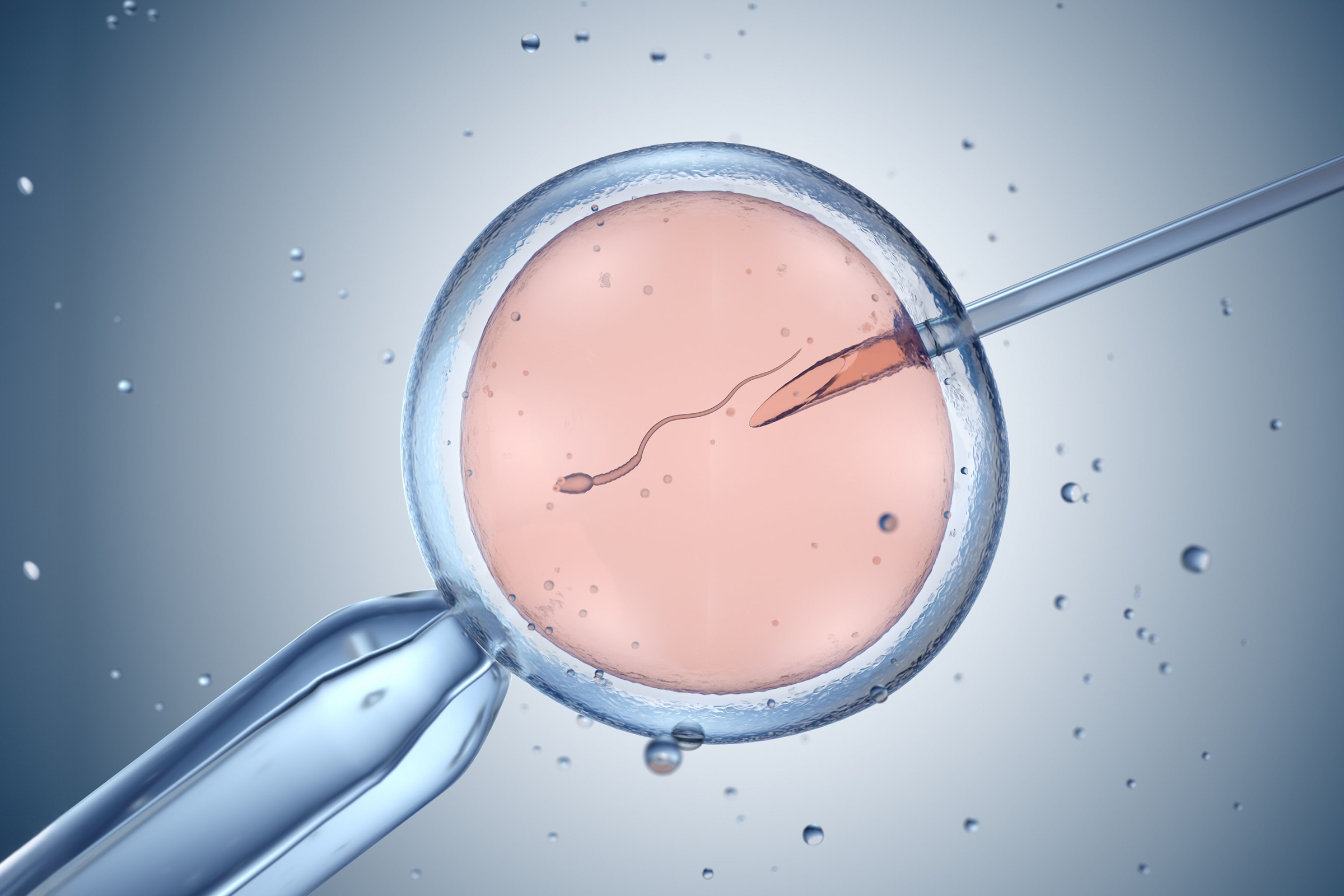
Can Increasing NAD+ Support Reproductive Health and Fertility?
Emerging research suggests that NAD+, a key molecule for cellular energy and DNA repair, may support reproductive health—from egg and sperm quality to pregnancy outcomes and offspring development. ...
Read more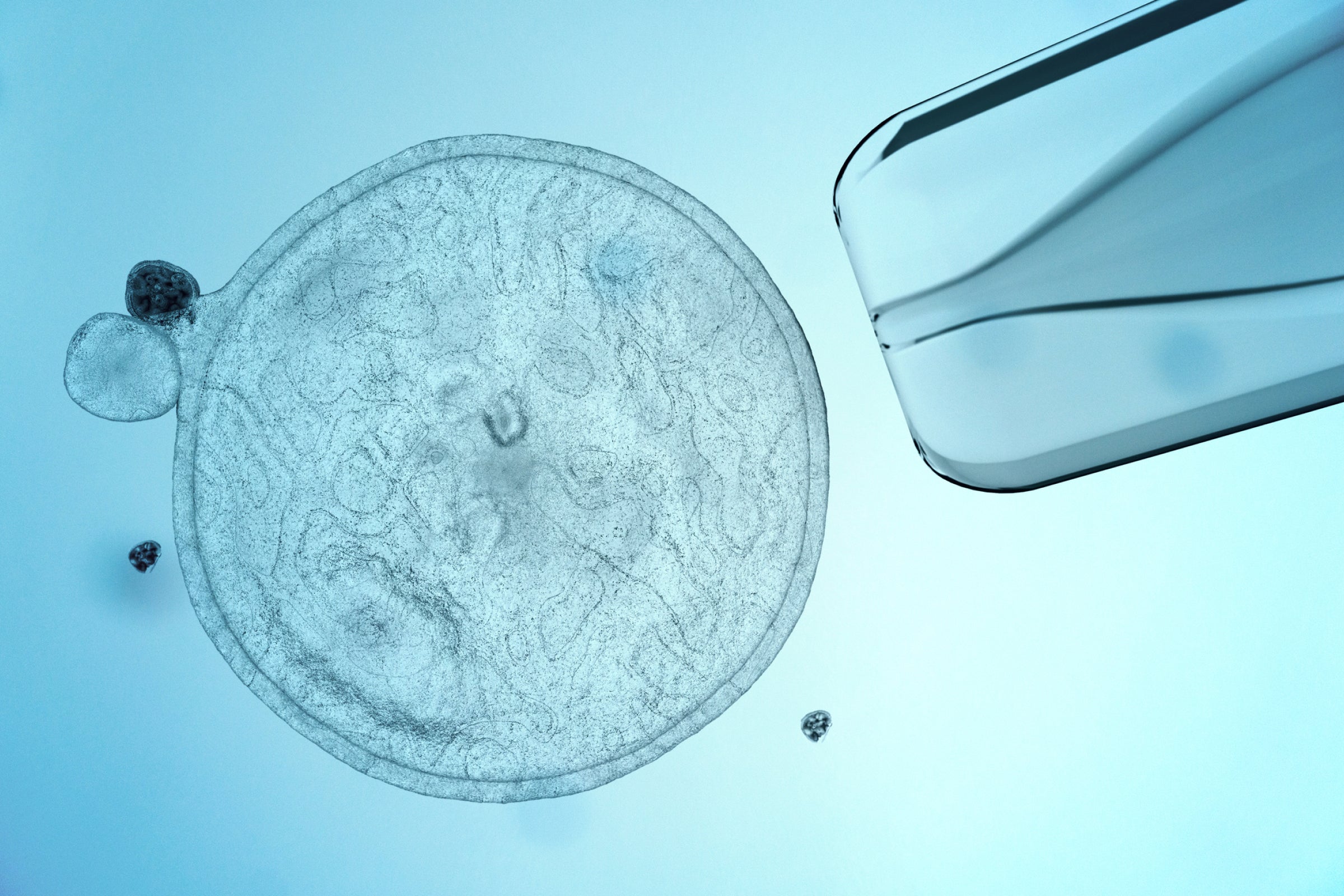
Raising NAD+ Levels May Support Mitochondrial Health and Fertility in Aging
Recent studies have shown that increasing cellular nicotinamide adenine dinucleotide (NAD+) levels can restore metrics of fertility, such as oocyte (immature egg) count and health, among aging mice.
Read more
First Study To Measure Postpartum NAD Levels Is Out Now
New moms don’t need scientists to tell them that postpartum is stressful. As if bringing a new life into the world isn’t hard enough, moms have to adjust to an ever-changing body and new identity w...
Read more