

FDA Classifies NAD+ Injection Recalls: Understanding the Safety Risks and What You Need to Know About Endotoxins and Quality
Key Takeaways
- Two NAD+ injection lots manufactured by GenoGenix, LLC have been recalled, with the second recall designated Class I by the FDA due to elevated endotoxin levels.
- The FDA has classified multiple recalls for NAD+ injectable formulations, reflecting ongoing concerns about sterility and microbial contamination in compounded and manufactured NAD+ injections.
- Recalls are classified by severity: Class I is the most serious type of recall, where use of the product may cause serious or life-threatening health consequences.
- Class II is a moderate-level recall, where use of the product may cause temporary or medically reversible health effects, with serious outcomes unlikely.
- Healthcare providers and patients using NAD+ injections should be aware of these recalls and take action to verify product safety.
- Patients using NAD+ injections should always make informed decisions about the safety, quality, and purity of the products offered by clinics and healthcare providers.
Nicotinamide adenine dinucleotide (NAD+) is drawing increasing attention in the fields of wellness, aging, and longevity research. As a vital coenzyme present in every cell, NAD+ supports essential biological processes, including energy production and cellular repair. Its gradual decline with age has made it a focal point for therapies aimed at supporting cellular function and healthy aging.
As a result, intravenous NAD+ infusions and injections have grown in popularity, attracting global media attention and increasing use in functional and integrative medicine clinics. NAD+ can be administered intravenously (IV), intramuscularly (IM), or subcutaneously (sub-Q) in a clinical setting. IV infusions provide direct absorption into the bloodstream, resulting in faster effects, whereas IM and sub-Q injections are absorbed differently by the respective tissues being injected.
Celebrities, influencers, and lifestyle media commonly portray NAD+ infusions or injections as an “anti-aging” and energy-boosting “longevity hack” that enhances focus, recovery, and skin appearance, even though these benefits are based on anecdotal claims rather than established clinical evidence. And despite their rising demand, recent U.S Food & Drug Administration (FDA) recalls underscore a key concern: products intended to improve health can still pose serious risks if sterility and quality are compromised.
Compounding pharmacies that prepare infusion or injectable treatments must adhere to strict guidelines to ensure the products are safe and effective. Unfortunately, lapses in these standards have resulted in recalls, highlighting the risks associated with improperly compounded or contaminated NAD+ therapies.
Understanding FDA Recall Classifications
Before exploring the recent recalls, it’s helpful to understand how the FDA categorizes them:
- Class I Recall: The most serious classification. Use of the product may cause serious or life-threatening health consequences.
- Class II Recall: A moderate-level recall. Use of the product may cause temporary or medically reversible health effects, with serious outcomes unlikely.
These classifications help providers and patients assess the potential risks and determine how urgently they should act.
The First Recall: Lack of Sterility Assurance
In July 2025, GenoGenix, LLC, recalled certain lots of NAD+ injections (50 mg/mL and 100 mg/mL, 10 mL multi-dose vials). The manufacturer reported a “lack of assurance of sterility”—meaning it could not confirm that the injectable solution was free from microbial contamination. The FDA later classified this as a Class II recall, which indicates that while health risks were possible, serious adverse effects were considered unlikely.
The Second Recall: Dangerous Endotoxin Levels
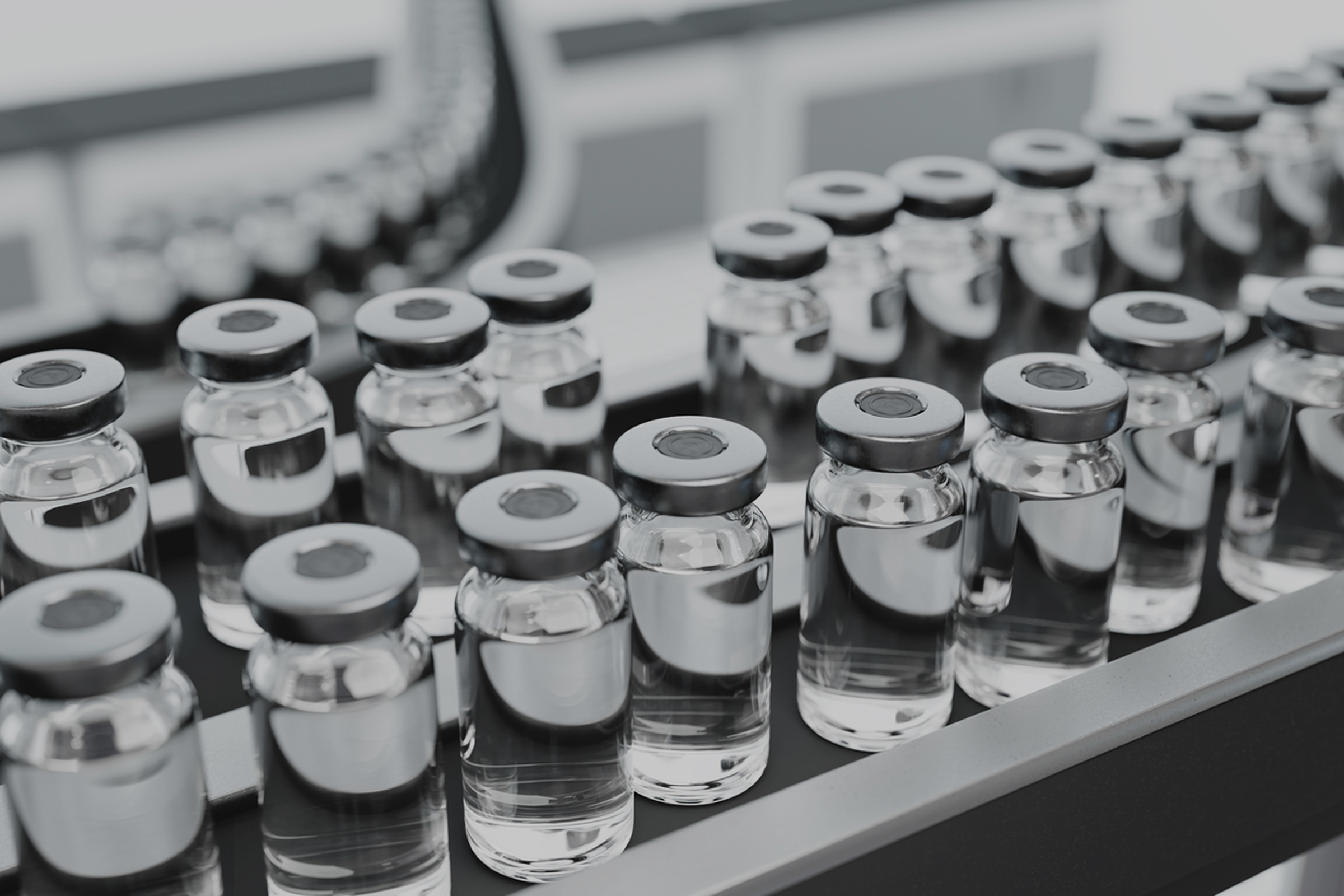
The second recall, which was also issued in July 2025, presents a far more serious risk. It involved 100 mg/mL and 200 mg/mL NAD+ injections in 10 mL amber multi-dose vials. The recall was issued following the detection of elevated endotoxin levels, a serious microbial contamination issue.
Endotoxins are toxic components that, if introduced directly into the bloodstream, can trigger severe inflammatory and/or immune responses, such as fever, shock, or even sepsis.
Given the potential severity, the FDA classified this recall as Class I, the most severe level, reserved for situations where use of the product may cause serious or life-threatening consequences. Like the earlier recall, this action was voluntary, but the implications are urgent: any clinics, pharmacies, or patients with this lot should immediately stop use and follow the manufacturer’s instructions for return or disposal.
Understanding the Recall Timeline
Both GenoGenix recalls were initiated in July 2025, but the FDA’s official Class I and Class II designations were issued later in October 2025. This delay reflects standard FDA procedure: when a manufacturer discovers a potential safety issue, it may begin a recall immediately. The FDA then reviews the evidence, evaluates the potential public health risk, and assigns a classification.
This means that while the recalls took effect immediately upon the manufacturer’s action, the later classification formally established the risk level for public communication.
NAD+ Recalls: A Broader Pattern
The GenoGenix recalls are not isolated events. In recent years, the FDA has documented multiple compounded NAD+ preparation recalls from various manufacturers, including compounded powders, injectable solutions, and pre-filled syringes. Most of these recalls have been classified as Class II, typically involving issues such as sterility concerns, sub-potent products, or problems with reconstitution times. Collectively, these highlight persistent quality-control challenges within specific NAD+ compounding and manufacturing environments.
These recalls also align with broader safety reminders issued by the FDA regarding the materials used to produce IV formulations of NAD+. The agency has warned that food-grade NAD+ is not appropriate for IV use, citing significant contamination risks and reported adverse events. The FDA specifically flagged compounders using food-grade ingredients in sterile IV products, noting that these materials can contain microbes and endotoxins. To ensure patient safety, the agency emphasizes that only pharmaceutical-grade ingredients intended for sterile compounding meet the standards required for IV administration.
For a more comprehensive overview of compounded NAD+ recalls reported to the FDA, please visit the FDA Recall Information Search. To find relevant recalls, use the Advanced Search feature and search for "NAD+".
What This Means for Patients and Clinicians
NAD+ infusions and injections are increasingly marketed and used in clinics for cellular energy support, neurological health, and healthy aging purposes, though many, if not all, of these uses remain unapproved by the FDA. NAD+ products are commonly delivered via IV infusion or injection in functional, integrative, and other clinical wellness settings.
Healthcare providers should carefully review their inventories, discontinue use of affected lots, and report any adverse events or concerns to the FDA. Patients receiving NAD+ infusions or injections should confirm that their treatments are not part of any active recall and consult their healthcare provider before continuing therapy.
Repeated sterility-related recalls emphasize how critical manufacturing quality and oversight are for injectable therapies. While NAD+ continues to attract attention for its potential health benefits, these incidents are an important reminder: ensuring product safety is essential to ensure patient safety.